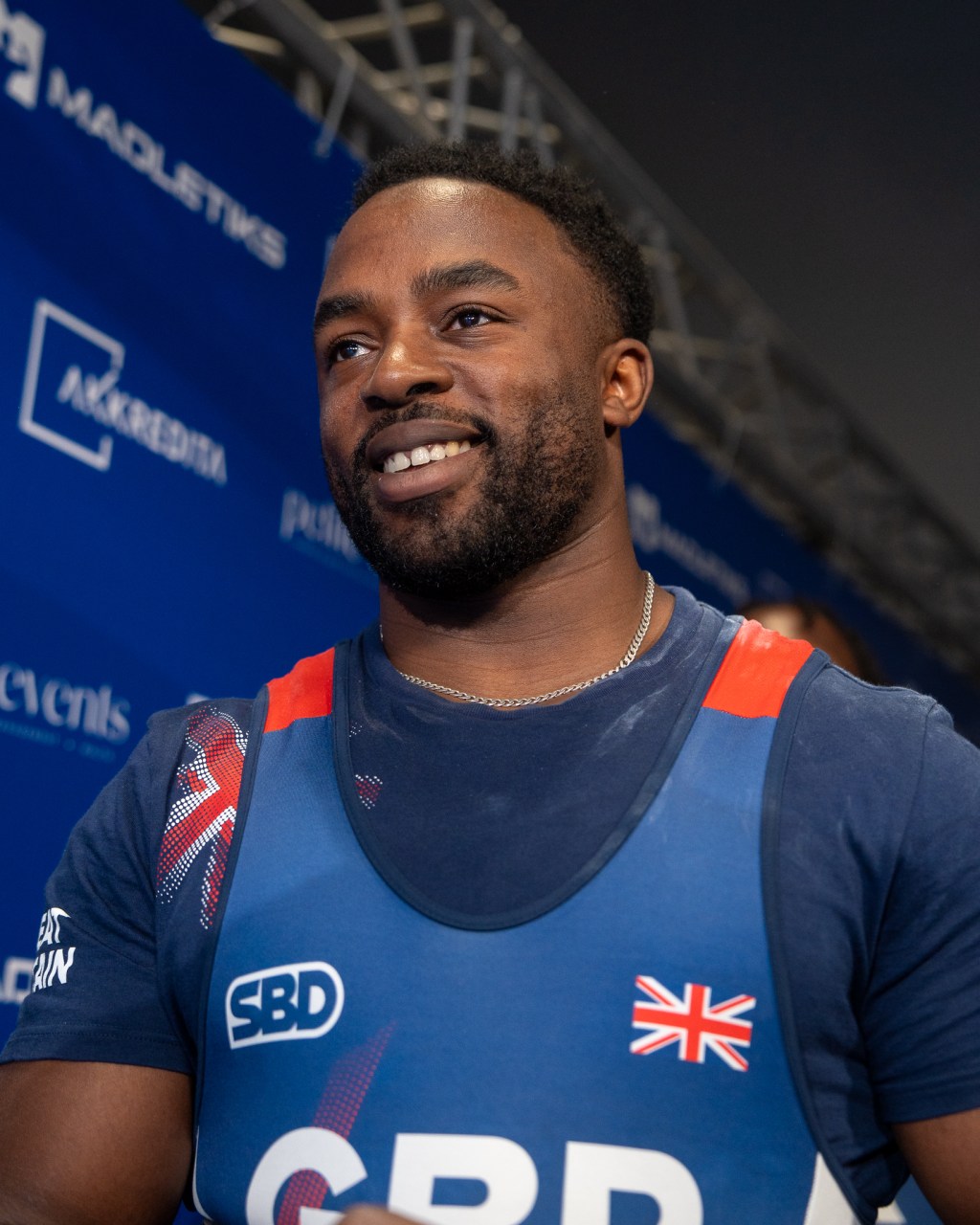
Jonny Lewis started going to the gym when he was 14. Little did he know that, in the space of a decade, he would become a European medallist in the 93kg category in powerlifting. It is a sport that is growing in the UK year on year, with gyms and classes popping up all over the country as athletes look to keep fit and going to the gym becomes more popular.
It was actually an injury that put Lewis on this path to powerlifting. “In Year 11, I had patellar tendonitis in my right knee, and the physio recommended taking a year off to avoid surgery. That was when I got more serious about training.”
A bet with his school friend and now Canadian international rugby player, Piers Von Dadelzsden, helped him realise his strength.
“I made a bet with Piers about who could deadlift the most before Christmas in 2018, and then I realised I had quite a lot in the tank after starting at 140 and then moving up to 180, and it wasn’t hurting my knee.”
Six months later, Lewis would enter his first-ever powerlifting competition, and he ended up qualifying for the nationals, which he then won in October 2019. He then said, “I told myself no more rugby injuries.”
What Does Training Look Like?
At the moment, Lewis trains four days a week, which he can balance with his work in the City. The sessions are usually short and sharp, he says, “1hr 30 mins long, but if I’m going heavy then it can be up to 2hrs.”
He splits his training into compound and accessory exercises. “Compound movements are your heavier barbell exercises, like your bench press, deadlifts and squats. Then accessory exercises are your bicep curls, tricep curls and leg extensions.”
The compound movements are the exercises that Lewis will do on competition days, so in most sessions he will do at least one of those exercises.
“My squat is 275kg, that’s my weakest one. Bench press is 192.5kg, and my deadlift is 367.5kg, probably my strongest event.”
Powerlifting is something that people are getting into because it is easy to track your progress. It is easy to see if you are improving because you start to lift heavier weights. This is a part of the sport that Lewis clearly loves: “I enjoy being able to track my progress. With powerlifting, you are either lifting a number or you’re not, and you can clearly see improvement.”
Securing European Silver
When the European Championships came around, the 25-year-old was going in with low expectations.
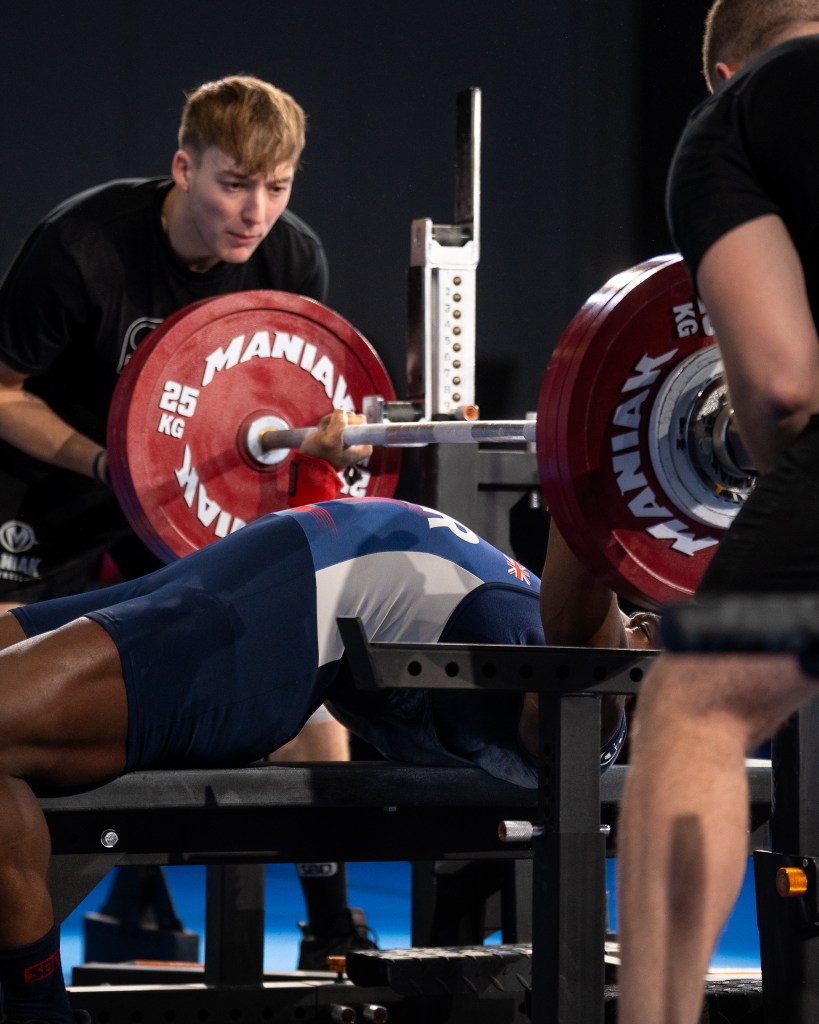
“I wasn’t expecting to make the team, so I was just happy to be there.” The event was not smooth sailing, as he strained his pec on his second rep, meaning that he only lifted 177.5kg, nearly 20kg lower than his personal best.
Then disaster struck at the start of the deadlift. Lewis no-lifted his first attempt.
“When you deadlift in competitions, you put talcum powder on your legs to make it a smoother lift, and I hadn’t trained using that before, so I didn’t firmly lock out as I lifted it too quickly.”
Usually, in powerlifting, after a no-lift, you attempt the same weight again to play it safe. But Lewis, along with his coach, decided to jump 30kg to 350kg to be in with a chance of winning a medal.
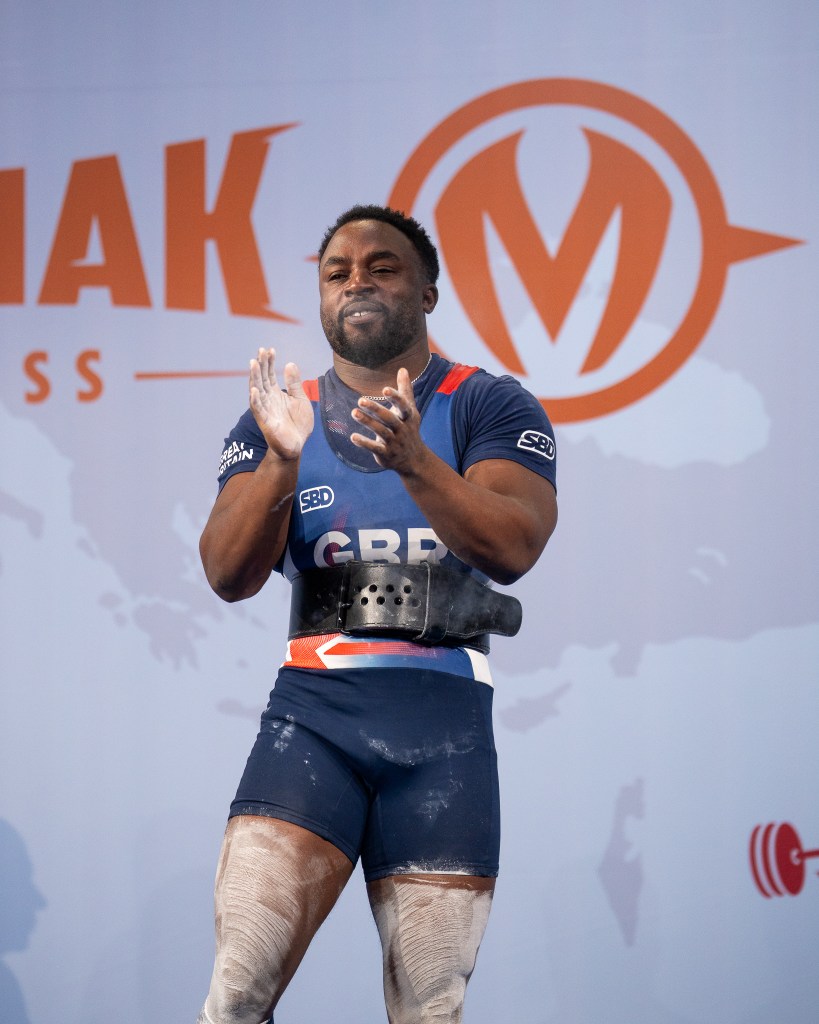
“I wanted to be in with a chance to go into my last lift, and then we worked out I needed 367.5kg, a British record, to get silver. I hit it, which was amazing because, especially after the pec strain, I didn’t think I was going to come anywhere.”
The gold medallist in the 93kg class was another British veteran, Christian Ayandokun, who is a three-time champion and a silver medallist at this year’s World Men’s Classic in Lithuania.
Lewis hopes to keep improving on his lifting and with most powerlifters peaking in their early 30s the sky is the limit for the Croydon-based athlete as he aims for world success.


Leave a Reply